
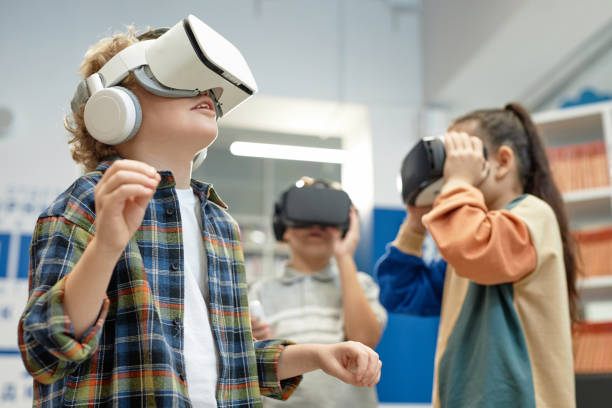
ok so gamified learning sometimes sounds like just turning class into video games but its actually more about using game mechanics like points levels challenges rewards progress tracking competition collaboration inside educational environments to make learning feel interactive instead of passive
students today grow up surrounded by interactive digital experiences so traditional lecture-only methods often struggle to hold attention and teachers are experimenting with gamification to increase motivation focus and participation
What Gamified Learning Really Means
gamified learning does not mean students play random games all day it means applying elements such as scoring systems badges leaderboards timed challenges quests storytelling and achievement milestones to academic content
for example math problems might become part of a mission science lessons could include simulation challenges history topics may turn into role playing scenarios where students take on perspectives of historical figures
the content remains educational but delivery becomes more dynamic
Motivation Through Immediate Feedback
one reason games are engaging is immediate feedback players know instantly whether they succeeded failed leveled up or unlocked something
in classroom settings similar instant feedback through quizzes digital platforms interactive tasks helps students track progress in real time instead of waiting days for graded results
this quick response cycle reinforces learning and keeps momentum going
Healthy Competition and Collaboration
gamification often includes friendly competition through leaderboards or team challenges which can energize classrooms when managed carefully
at the same time cooperative missions group quests shared problem solving encourage teamwork communication and peer learning
students feel part of shared objective rather than isolated individuals completing assignments
Increased Focus and Attention
traditional lectures sometimes allow attention to drift but structured challenges with clear goals deadlines and rewards create urgency and purpose
when students are trying to unlock next level or complete challenge they often remain more focused because activity feels purposeful and interactive rather than repetitive
clear objectives reduce confusion and increase task clarity
Building Persistence and Resilience
games naturally include obstacles and failure players retry learn from mistakes adjust strategy
when learning environments incorporate similar mechanics students become more comfortable with trial and error instead of fearing mistakes
this builds resilience growth mindset and persistence which are critical for long term academic success
Personalization and Adaptive Learning
many digital gamified platforms adjust difficulty levels based on student performance ensuring tasks remain challenging but not overwhelming
adaptive systems personalize learning pace allowing students to progress individually while still participating in shared classroom activities
this helps address different learning speeds and reduces frustration
Encouraging Intrinsic and Extrinsic Motivation
points badges and rewards create extrinsic motivation especially at beginning however over time meaningful challenges curiosity mastery and autonomy can build intrinsic motivation
effective gamified learning balances rewards with deeper engagement so students value learning process not just prizes
design matters because superficial rewards without substance may lose impact quickly
Technology Integration
modern gamified learning often uses apps platforms and tools that transform lessons into interactive experiences
organizations such as Khan Academy incorporate progress tracking badges and mastery systems to keep learners motivated
similarly educational platforms developed by Google provide interactive tools enabling quizzes collaborative activities and creative digital projects
technology enhances scalability tracking analytics and accessibility in gamified environments
Classroom Environment and Culture
gamification can also reshape classroom atmosphere making it more energetic positive and participatory
students who might hesitate to speak in traditional setting sometimes engage more actively in game-like structures where participation feels less intimidating
teachers shift role from lecturer to facilitator guiding missions challenges and reflective discussions
Challenges and Considerations
gamified learning requires thoughtful design not every subject or concept fits easily into game structure
overemphasis on competition can discourage some students if not balanced carefully
teachers need training time and resources to implement effective gamification strategies
it is important that educational goals remain primary and game elements support rather than distract from learning outcomes
Long Term Impact
when implemented effectively gamified learning improves engagement retention and enjoyment of academic content
students associate learning with curiosity challenge and accomplishment instead of boredom
skills such as problem solving collaboration adaptability and persistence are strengthened through interactive experiences
Final Thoughts
gamified learning boosts student engagement by
providing immediate feedback
creating clear goals and progression paths
encouraging healthy competition and teamwork
increasing focus through structured challenges
building resilience through trial and error
supporting personalized adaptive learning
leveraging technology for interactive experiences
transforming classroom culture into active environment
while not a replacement for all traditional teaching methods gamification adds powerful layer of motivation and interaction that aligns with how many students naturally engage with the world
in an era where attention is fragmented and digital experiences dominate daily life gamified learning offers practical way to make education more engaging meaningful and memorable