
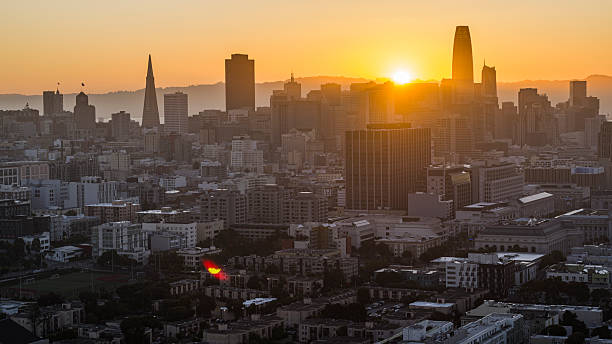
ok so urban revitalization is kinda like giving a tired old neighborhood a facelift, but not just painting buildings or planting flowers, it’s about reworking infrastructure, public spaces, transport, housing, local business, basically making a place functional, safe, and appealing again. and when that happens property demand usually skyrockets because suddenly people wanna live, work, and spend time there
its kinda funny how humans work, like we all avoid rundown places but as soon as city invests money, parks, cafes, modern apartments, suddenly everyone wants to move in and developers notice too
improving infrastructure
one big driver of property demand is better infrastructure roads, sidewalks, street lighting, public transit, parking, utilities all upgraded during revitalization
makes neighborhoods more accessible and convenient, reducing commute time and increasing appeal to both renters and buyers
improved roads and transit also encourage commercial activity shops, restaurants, offices move in, creating more local jobs and amenities which in turn makes living there more attractive
aesthetic and safety upgrades
revitalization often includes aesthetic improvements building facades, public art, landscaping, clean streets, green spaces
crime reduction initiatives, better lighting, community policing increase perception of safety
when area looks clean, modern, and safe people more confident investing in property or renting, perceived as higher value area
mixed-use development
many urban revitalization projects push for mixed-use spaces combining residential, commercial, recreational, cultural venues
this creates lively neighborhoods, shortens distances for daily needs, increases convenience
mixed-use areas attract younger professionals, families, even retirees looking for vibrant communities, boosting real estate demand
economic incentives
cities sometimes offer tax breaks, grants, or subsidies to developers and businesses during revitalization
this encourages investment, development of modern housing, offices, retail which attracts residents and increases property value
businesses attracted by incentives create jobs, entertainment options, increasing neighborhood’s desirability
cultural and social factors
revitalization often includes cultural venues museums, galleries, theaters, performance spaces
community events, markets, festivals create social cohesion and sense of belonging
people increasingly value lifestyle and experience, so neighborhoods with cultural amenities see rising demand
gentrification and market dynamics
unfortunately revitalization sometimes leads to gentrification original residents priced out
developers target higher-income buyers/renters once area becomes trendy
property demand increases fast, prices rise, investors see opportunity, speculation fuels further growth
though social equity programs aim to balance revitalization benefits with affordable housing, impact varies by city
environmental improvements
green spaces, sustainable buildings, stormwater management, bike lanes, pedestrian-friendly streets improve livability
eco-conscious buyers more interested in neighborhoods with sustainable features, increasing demand
parks, tree-lined streets, green rooftops improve air quality, reduce heat, enhance well-being, adding perceived property value
personal observation
i visited a city district recently that underwent revitalization couple years ago, abandoned warehouses turned into apartments, co-working spaces, cafes, public park installed
people everywhere walking, biking, new shops buzzing, rent prices noticeably higher than before, new residents young professionals mostly
even old buildings renovated with aesthetic facades feel modern and safe, drawing in families and investors
social media posts about cafes, murals, events created hype making area desirable even for people outside city considering moving there
long-term effects on property market
urban revitalization usually creates ripple effect increased property demand leads to higher prices, more developments, better services
areas previously considered undesirable become trendy, attracting investors, residents, businesses
sometimes adjacent neighborhoods benefit too, spillover effect boosts overall urban growth
challenges
not all revitalization projects successful poor planning, corruption, misaligned priorities can lead to abandoned projects, wasted investment
increased property demand may reduce affordability, social tension
balancing community needs with development goals crucial, involves public participation, careful zoning, affordable housing programs
trends
modern revitalization focuses on smart cities, digital infrastructure, sustainable design, pedestrian zones, community engagement
tech integration like smart lighting, traffic management, sensors improves efficiency, safety, livability
mixed-income developments becoming trend to reduce displacement while still increasing property demand
future outlook
cities with strong revitalization strategies likely see steady increase in property demand, attracting diverse population
developers, investors, urban planners increasingly collaborate with communities to ensure balanced growth
green building, cultural amenities, integrated transport likely continue driving property appeal
final thoughts
urban revitalization increases property demand by
improving infrastructure, accessibility, transportation
enhancing aesthetics and safety perception
introducing mixed-use developments, cultural venues
offering economic incentives to developers, businesses
creating vibrant, sustainable, socially appealing neighborhoods
sometimes gentrification impacts affordability, but overall neighborhood desirability rises
its messy sometimes, social tensions, investment risks, planning challenges, but successful revitalization makes areas attractive, lively, and profitable
basically revitalization transforms overlooked urban areas into high-demand neighborhoods where people want to live, work, play, and invest, boosting real estate market, local economy, and community appeal over time